Have you ever walked into a room and immediately felt that something was either beautiful — or just slightly off?
Interior designers tend to notice the little details that most people overlook. It's not always about expensive furniture or a perfectly styled home. Often, it's the proportions, lighting, materials and small finishing touches that make a space feel intentional.
Whether you're decorating a new home or simply want to make your current space feel more elevated, these are 7 things interior designers always notice.
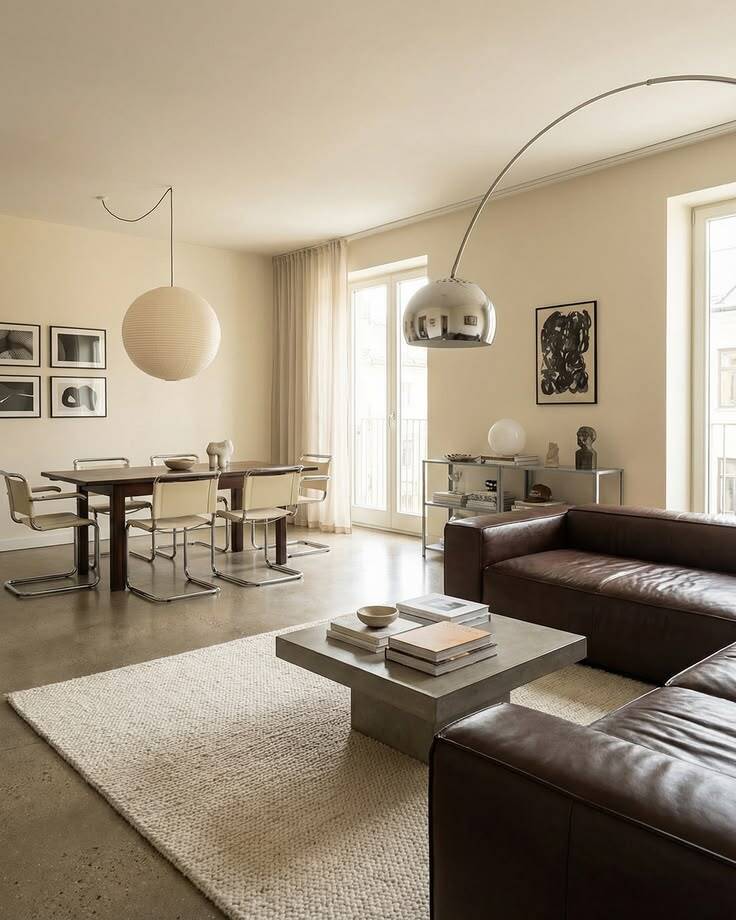
1. The Lighting
Good lighting can completely transform a room.
Interior designers don't only look at how much natural light a space receives. They also notice where artificial light comes from, how warm or cool the bulbs are and whether a room has different layers of lighting.
A beautiful room can feel cold and uninviting under one harsh ceiling light.
Instead, think about combining ceiling lighting, floor lamps, table lamps, wall lights and candles to create a softer atmosphere.
Amorie Louise tip: Warm, soft lighting instantly makes a room feel more inviting in the evening.
2. The Proportions of the Furniture
One of the easiest ways to make a room feel slightly "off" is choosing furniture that doesn't fit the scale of the space.
A tiny coffee table in front of a large sofa can look unbalanced. A huge sofa in a small living room can make the space feel cramped.
Interior designers pay close attention to the relationship between pieces — not only the size of each individual item.
Before buying furniture, consider the height, width and visual weight of the pieces around it.
Sometimes, the most beautiful piece isn't the right piece for the room.
3. The Curtains
Curtains can make a surprisingly big difference.
Interior designers notice where curtains are hung, how long they are and how much fabric is used.
One common trick for making windows appear larger and ceilings feel higher is hanging curtains higher and wider than the actual window frame.
Floor-length curtains can also create a softer and more elegant feeling than curtains that stop just above the floor.
For a timeless look, choose simple fabrics and neutral shades that complement the rest of your interior.
4. The Materials and Textures
A room can have beautiful furniture and still feel flat if everything has the same texture.
Interior designers often combine different materials to create depth and visual interest.
Think:
linen + wood + glass + stone + metal + wool
You don't need lots of colors to make a room interesting. Different textures can create a sophisticated interior even when the color palette is very neutral.
A soft rug, textured cushions, natural wood and a stone surface can make a simple room feel much more layered.
5. What's Happening on the Walls
Empty walls aren't necessarily a problem — but interior designers notice when wall decor feels disconnected from the rest of the room. Artwork should feel intentional rather than simply being used to fill an empty space.
Pay attention to the size, placement and framing of your artwork. A tiny piece floating above a large sofa can feel lost, while a larger piece or a carefully arranged gallery wall can create a much stronger visual statement.
And remember: not every wall needs something on it. Sometimes leaving a wall quiet allows the rest of the room to breathe.
6. The Small Details
This is where a room can go from nice to truly beautiful. Interior designers notice the little things that are easy to overlook: visible cables, cluttered surfaces, mismatched storage, empty corners and objects that don't seem to have a clear purpose.
But they also notice the details that make a space feel personal — a beautiful coffee-table book, a ceramic vase, a bowl filled with fruit, fresh flowers or a carefully chosen candle. These small details tell a story about the people who live there.
Amorie Louise tip: Don't feel the need to decorate every surface. A little empty space can make the things you choose to display feel much more special.
7. How the Room Feels
Perhaps the most important thing interior designers notice isn't something you can measure. It's the feeling of the space. Does it feel calm or chaotic? Warm or cold? Comfortable or overly staged?
A beautiful interior isn't simply a collection of beautiful objects. The pieces need to work together to create an atmosphere. Think about how you want to feel when you walk through your front door. Maybe you want your bedroom to feel peaceful, your living room to feel warm and social, or your bathroom to feel like a private little retreat.
Once you know the feeling you're trying to create, your decorating choices become much easier.
It's All in the Details
Creating a beautiful home isn't about buying the most expensive furniture or following every interior trend. It's about proportion, balance, lighting, texture and intention.
The next time you walk into a room, try looking at it like an interior designer. Notice the light, look at the furniture proportions, pay attention to the textures and consider what's happening on the walls. Most importantly, ask yourself: How does this space make me feel?
Sometimes, changing one small detail is all it takes to completely transform a room. At Amorie Louise, we believe a beautiful home isn't about perfection. It's about creating a space that feels considered, comfortable and uniquely yours.
Good design is in the details.